
Strategy for reducing Non-Revenue Water (NRW)
How do you reduce water loss in a water supply?
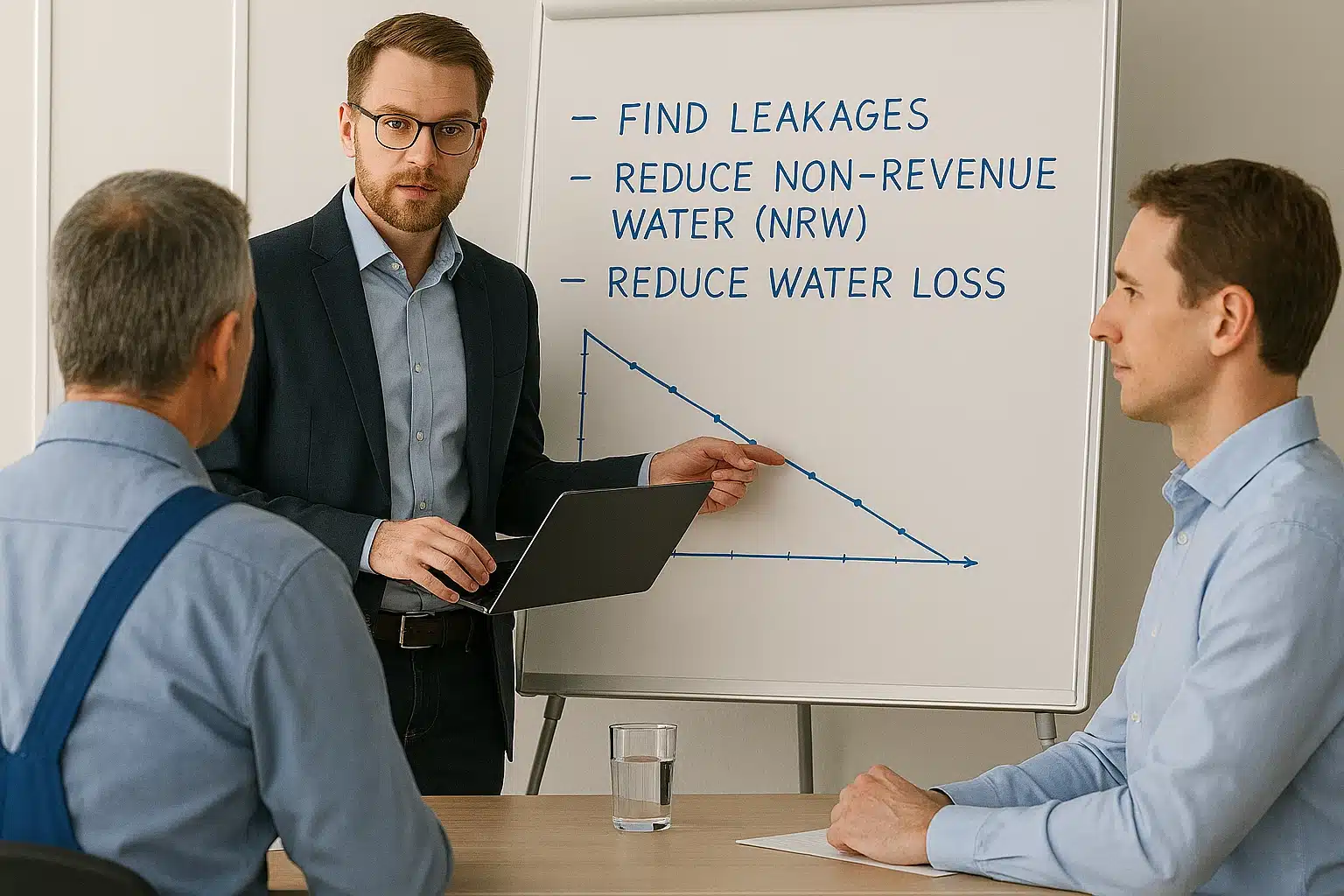
Water loss – often measured as NRW (Non-Revenue Water) – is one of the biggest challenges in modern water supplies. Even small leaks can lead to large losses of water, energy and resources over time.
Effectively reducing water loss is not just about finding individual leaks. It requires a systematic understanding of the entire plumbing network.
You don't reduce water loss by finding leaks.
You can reduce water loss by understanding your water network.
At DWI, we work with a practical and data-driven approach to reducing water loss, combining measurements, analysis and experience from the field.
What is water loss (NRW)?
NRW covers the water that is produced but not registered as consumption.
This may be due to, among other things:
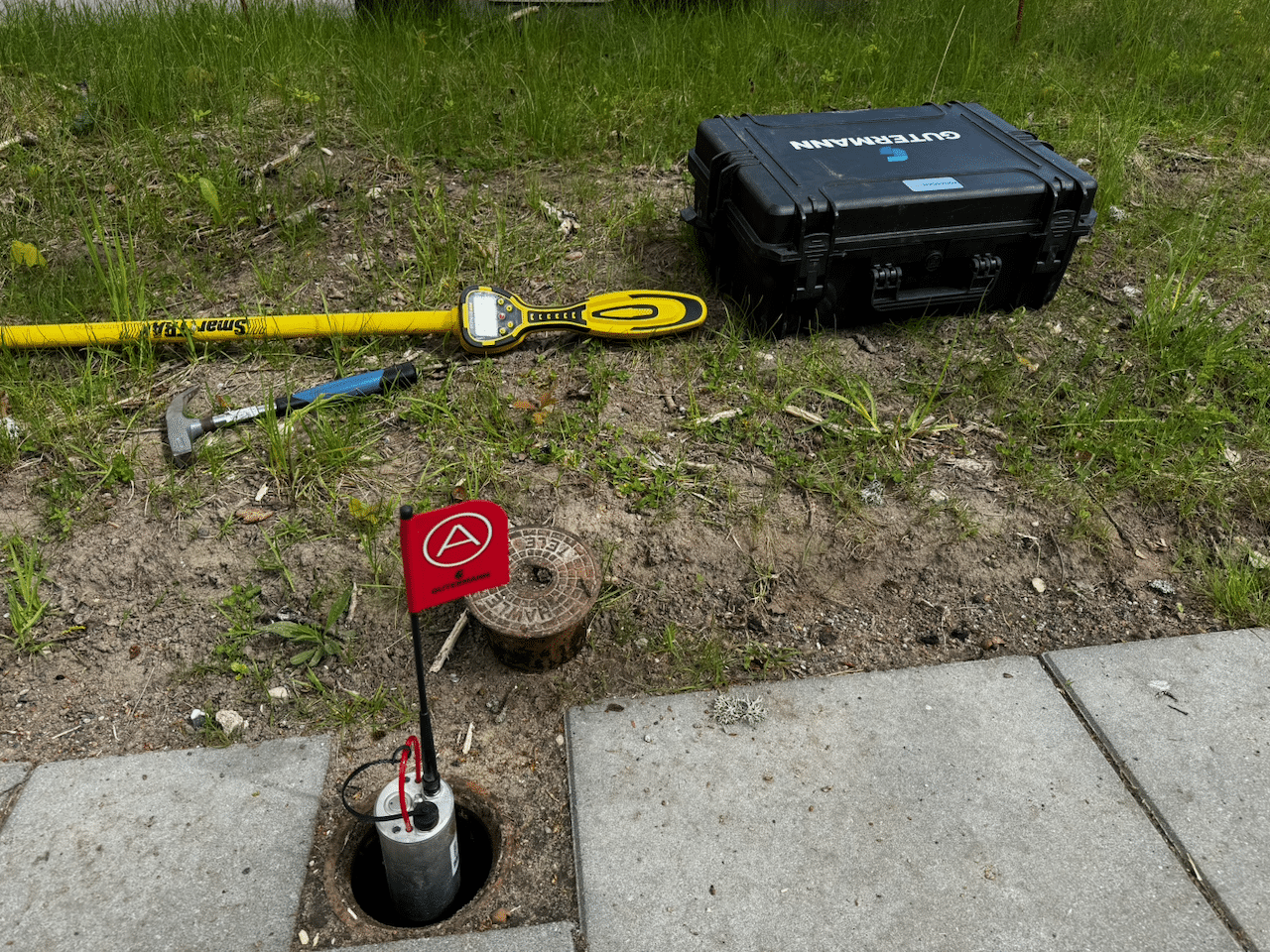
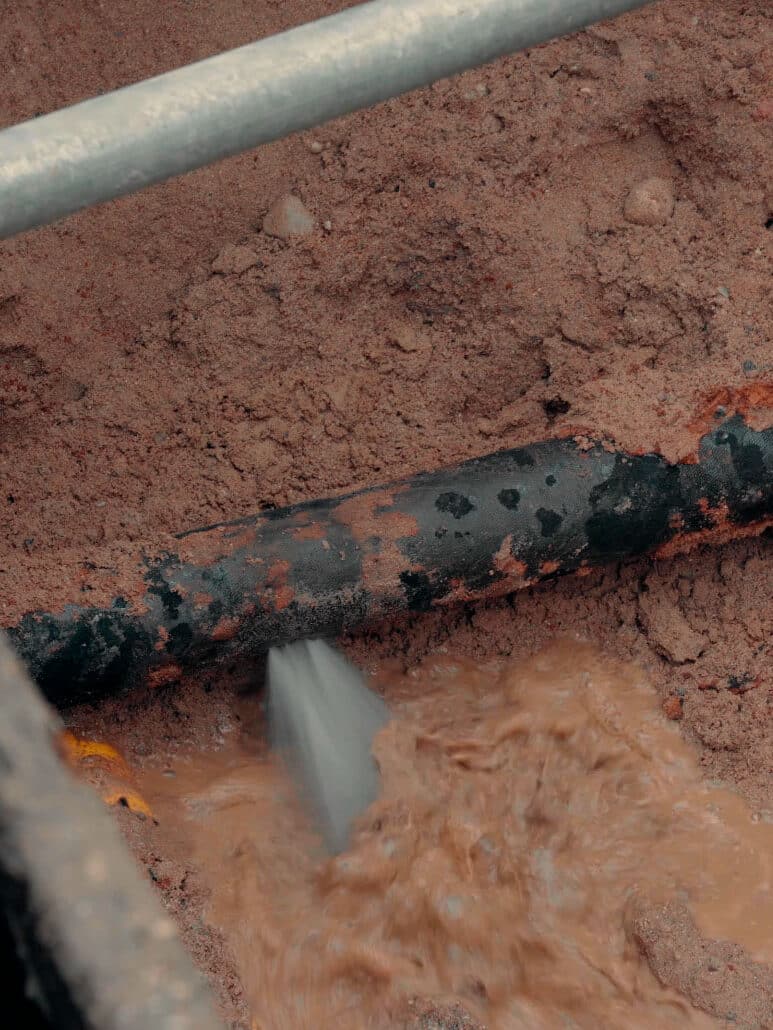
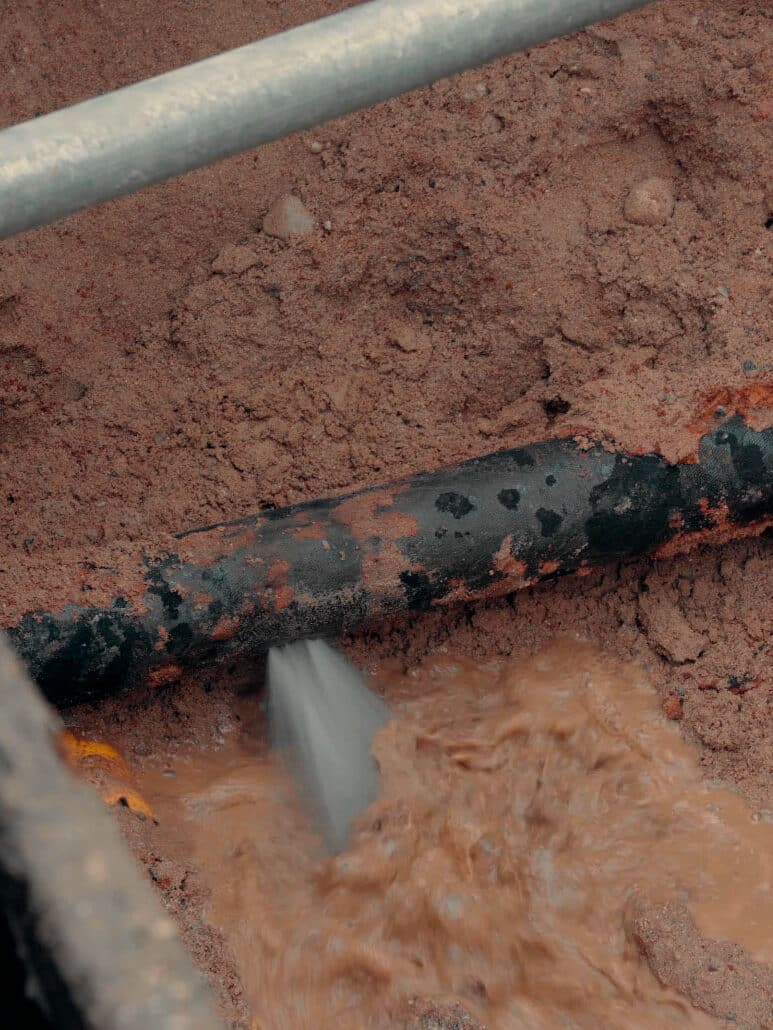
- leaks in wiring
- hidden fractures
- errors in installations
- measurement error
- unregistered consumption.
In many supplies, water loss occurs gradually and without obvious signs.
Therefore, modern water supplies work systematically with water loss management.
Water loss occurs as patterns
Water loss rarely occurs as a single event.
It occurs as small changes in a network over time.
Therefore, effective reduction of NRW requires:
- measurements
- analysis
- systematic effort.
When these three elements are combined, the work becomes much more efficient.
A practical model for reducing water loss
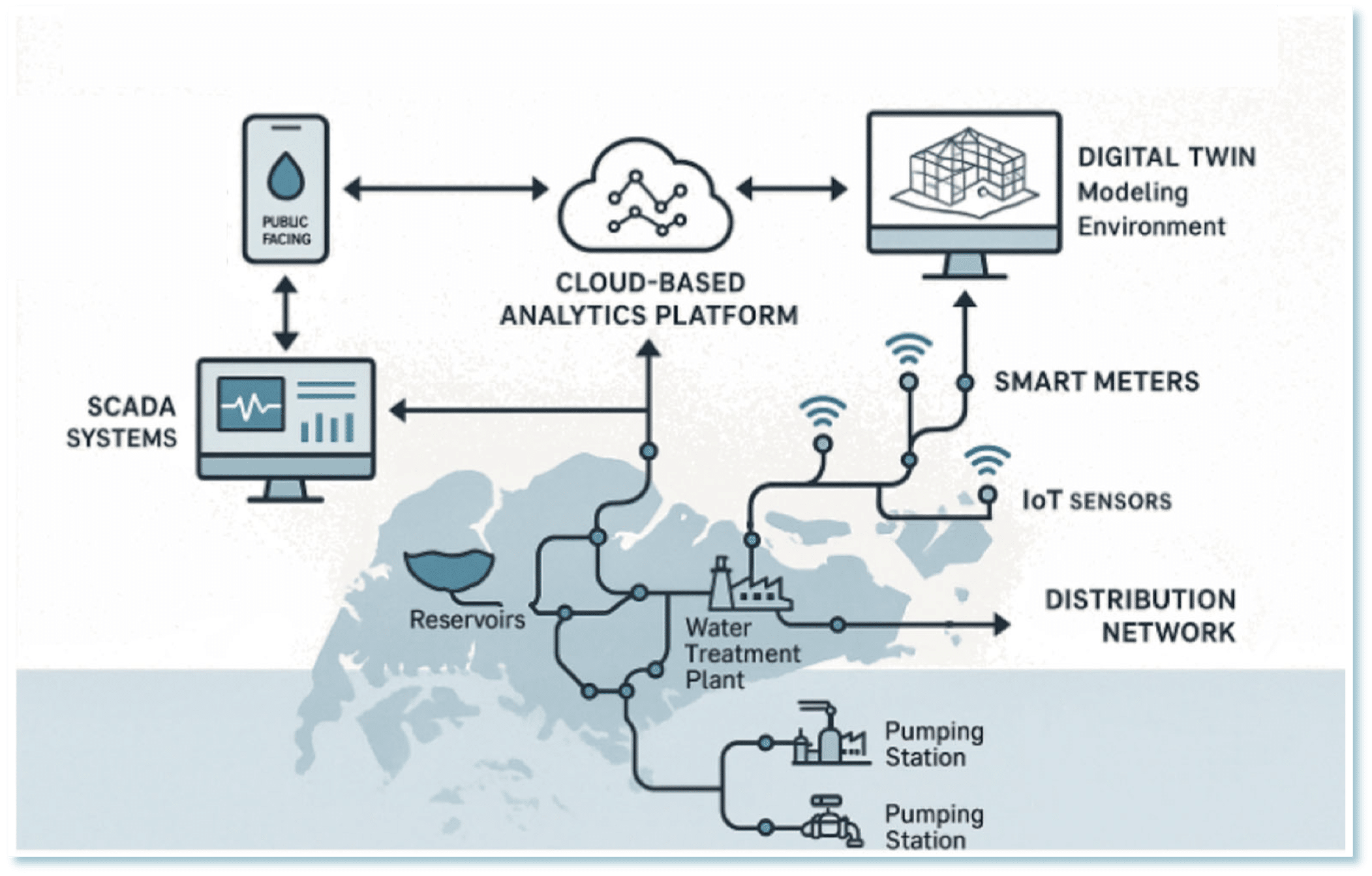
The work on water loss can be understood as a coherent process:
Installations in wiring networks
↓
Measurements and monitoring
↓
Data analysis
↓
Targeted leak detection
↓
Repair and improvements
↓
Lower water loss
When the entire chain is functioning, water loss can be significantly reduced.
1. Understand water balance
The first step in working with water loss is to understand the water balance.
This includes, among other things:
• produced water
• registered consumption
• unregistered water.
By analyzing the difference, the utility can assess the extent of water loss.
2. Divide the wiring into zones
Many water utilities divide the network into DMAs (District Metered Areas).
This makes it possible to:
- analyze night consumption
- identify abnormal patterns
- demarcate areas with leaks.
Zoning is often an important step in the work on NRW reduction.
3. Measure what is happening on the web
Measurements provide insight into how the wiring network behaves.
This can happen, among other things, with:
- flow measurements
- pressure measurements
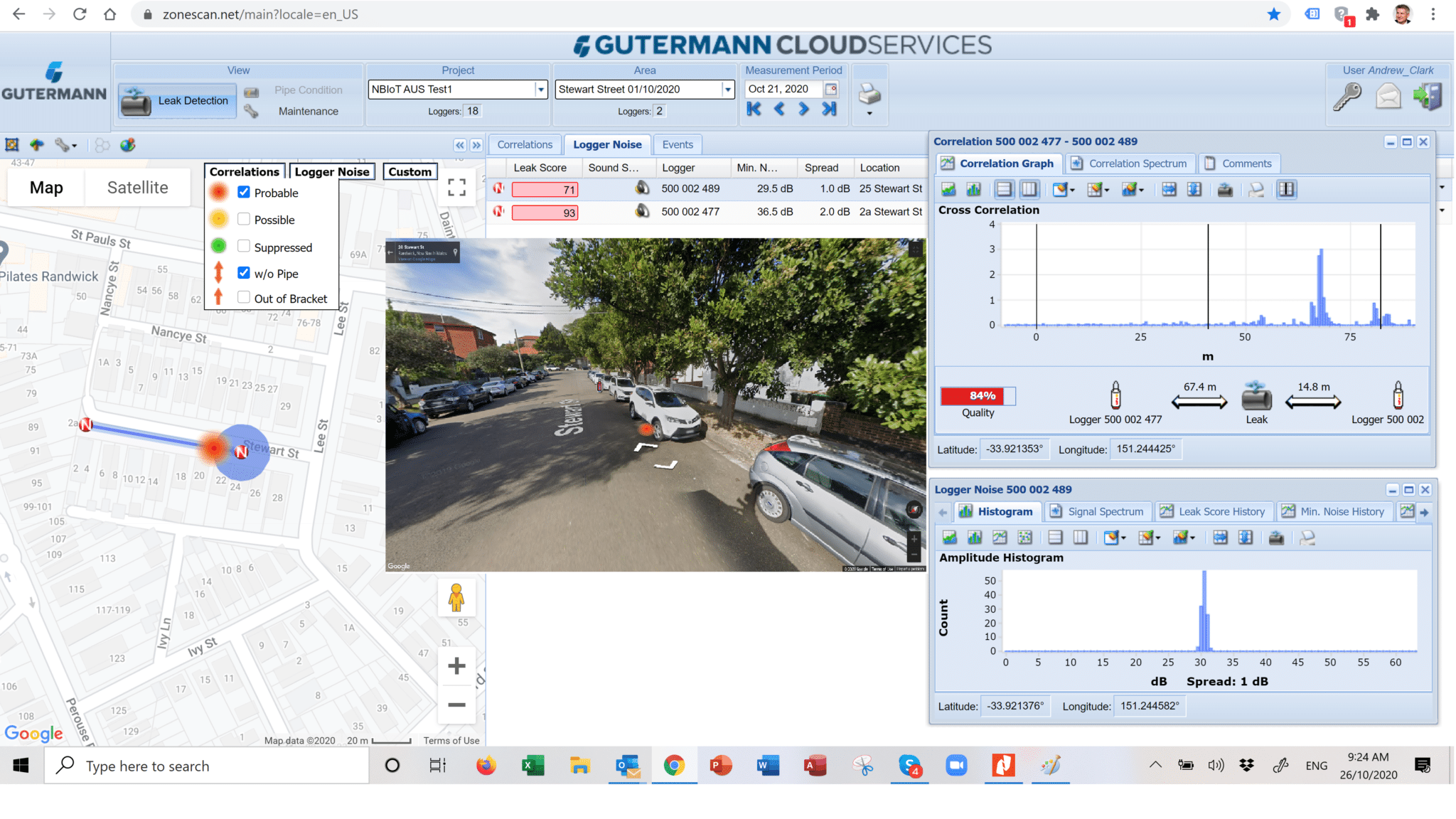
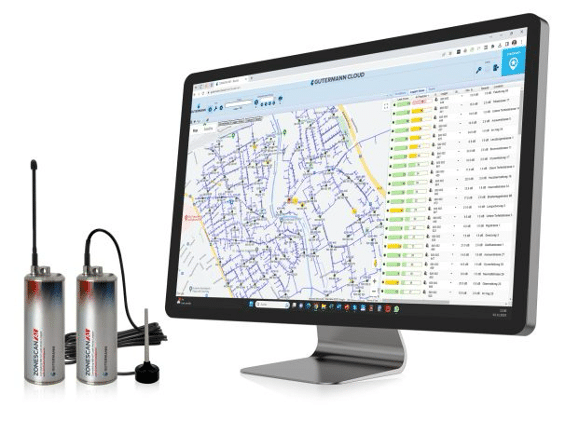
- data loggers
- leak logger systems.
Permanent monitoring makes it possible to detect changes early.
4. Find leaks systematically
Measurements provide insight into how the wiring network behaves.
This can happen, among other things, with:
- flow measurements
- pressure measurements
- data loggers
- leak logger systems.
Permanent monitoring makes it possible to detect changes early.
5. Use data to prioritize
Data from loggers, sensors and analyses can be used to prioritize efforts.
Modern tools – including machine learning – can help to:
- identify changes in the network
- detect potential leaks
- prioritize investigations.
This provides a better basis for decision-making for operations and investments.
6. Repair and improve the network
When leaks are identified, they can be repaired and documented.
At the same time, data can be used to:
- prioritize wiring replacement
- plan maintenance
- improvethenetworkstructure.
Over time, this can significantly reduce water loss.
Water loss, energy and climate
Reducing water loss is not just about operations. It is also about energy, climate and responsible use of water resources.
Less water loss means, among other things:
- lower energy consumption
- less strain on waterworks
- better resource utilization
- higher security of supply.
Therefore, water loss management is increasingly included in strategic plans for water supplies.
International targets for water loss
Water loss is a global focus area.
Many European water supplies are currently working towards levels below 15 % NRW.
Reaching these levels typically requires a combination of technology, operational experience and long-term planning.
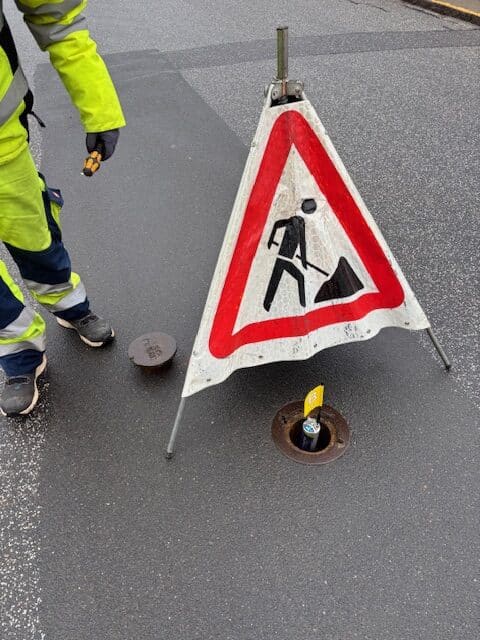
Installations are the foundation
Technology can only work if the installations in the wiring network do.
Valves, stopcocks, covers and correct registration in GIS are essential for both leak detection and data loggers.
At DWI, we work from a simple experience:
In water supply, data only works if the installations do. The entire chain – from valve to cover to advanced data processing – must work.
From technology to action
Effective reduction of water loss requires interaction between several elements:
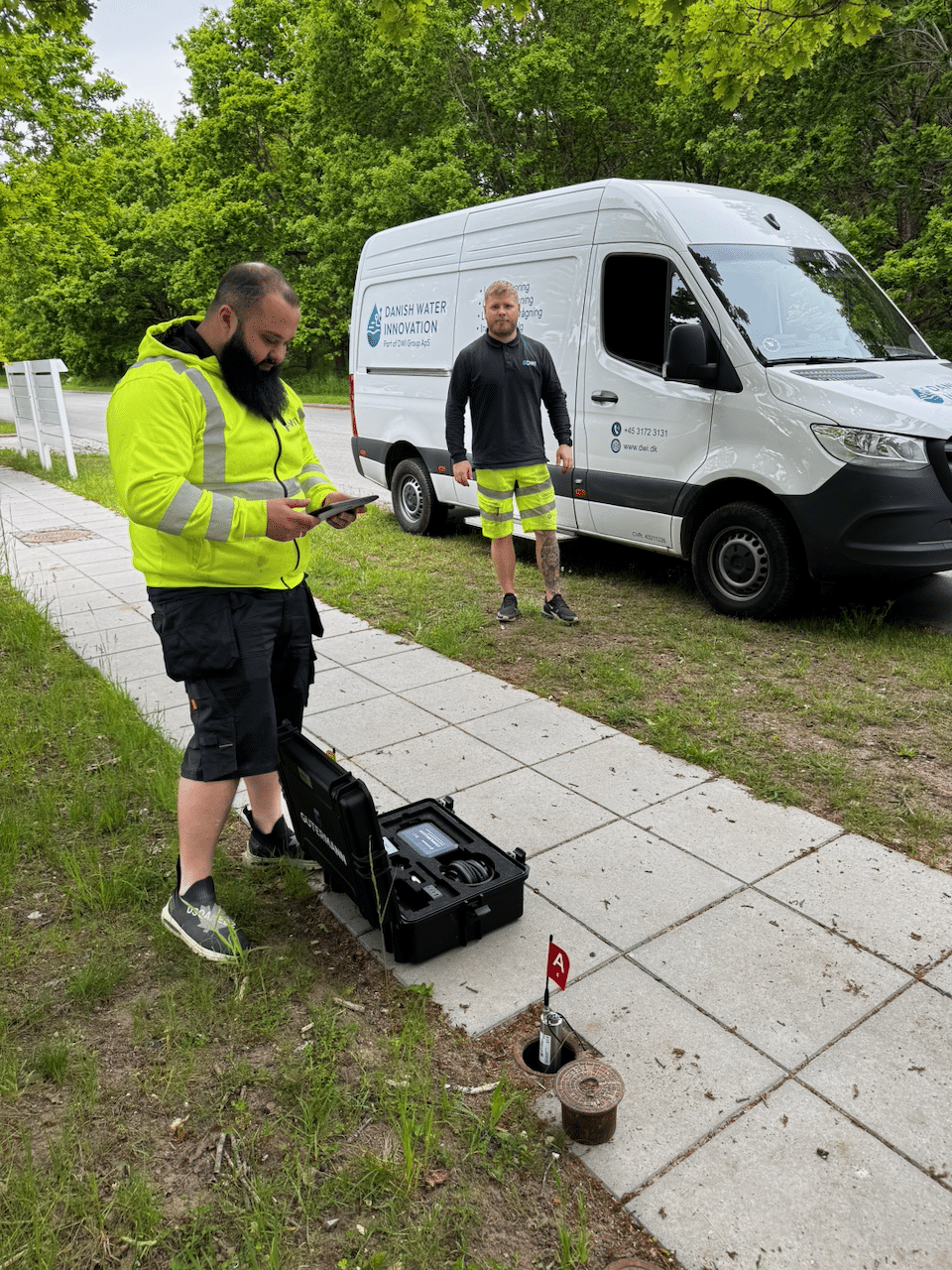
- leak detection in the field
- monitoring with data loggers
- analysis of data
- advice on wiring networks
- strategic planning.
When these elements work together, the effort becomes much more effective.
Contact DWI
Contact us for competent advice, leak detection and pipe location for your waterworks or water supply. We also assist commercial customers and private households with professional solutions.
