
Leak detection
Guide to leak detection in water supplies
We help water utilities reduce their water losses and increase operational reliability. Below we have created a short guide to effective leak detection in the water distribution network.
How do you find a leak in a water supply network – and how do you work systematically to reduce water loss?
Leak detection is a central discipline in modern water supply. Even small leaks can lead to large losses of water, energy and resources over time. That is why many utilities today work systematically with leak detection, monitoring and analysis.
This guide provides an overview of leak detection methods, how the work is carried out in practice, and how it forms part of an overall strategy for reducing water loss (NRW).
We combine technical expertise, advanced methods and many years of experience with leak detection on complex supply systems – and we always work with a focus on precise troubleshooting and qualified decision-making.
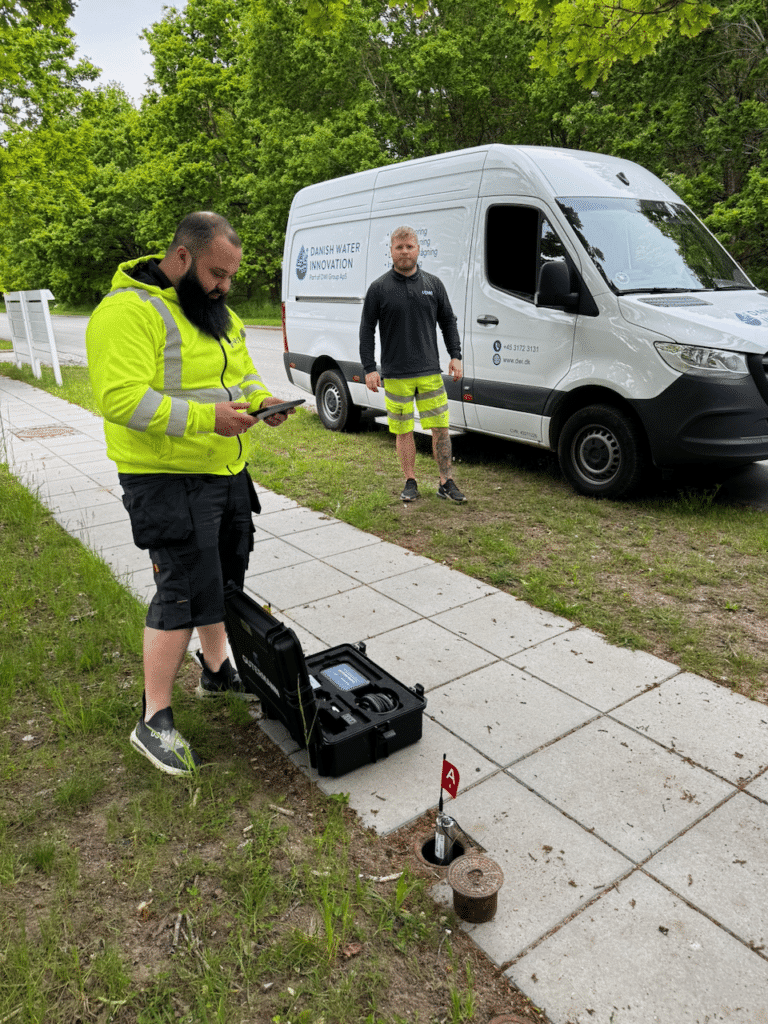
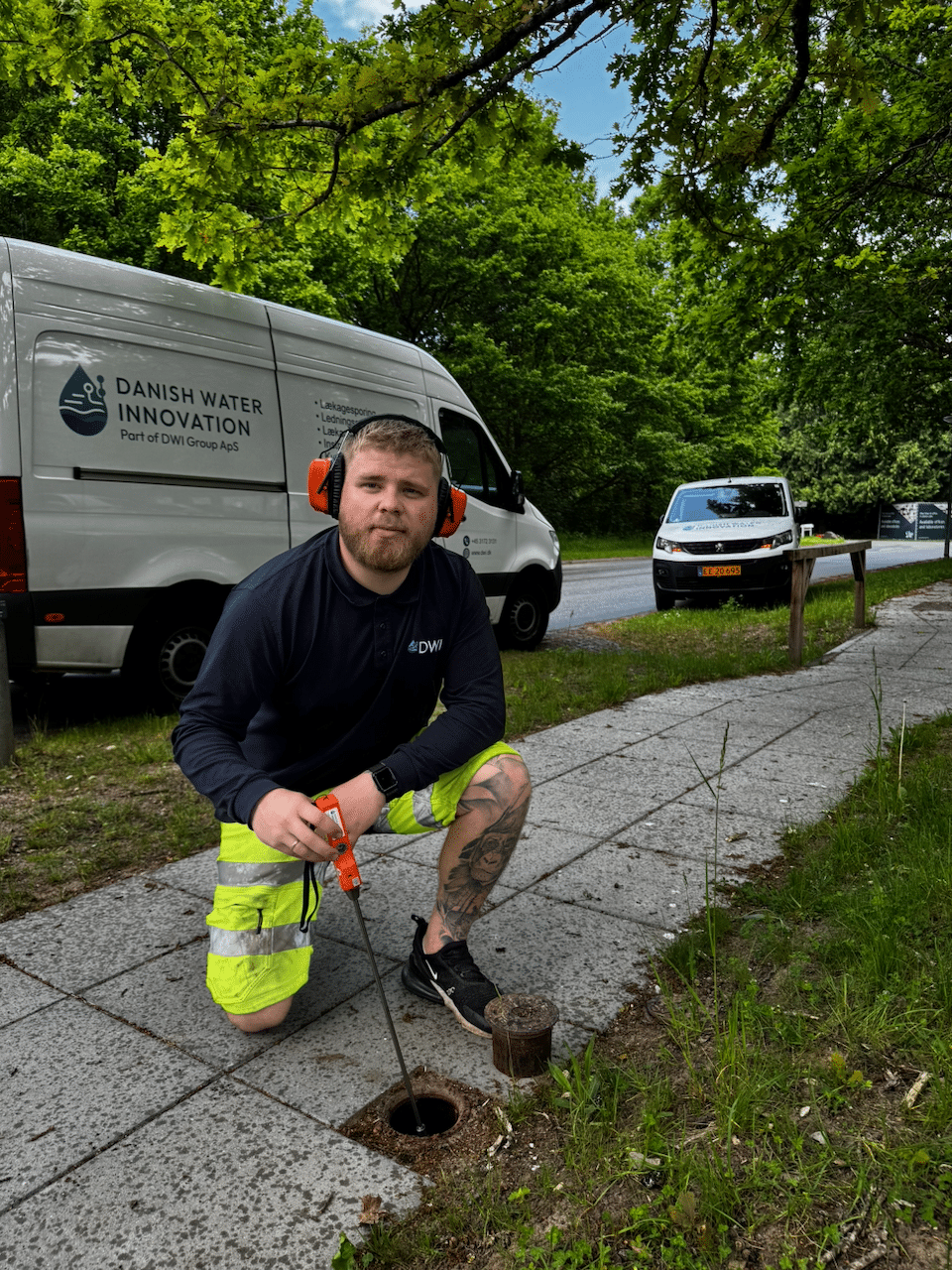
How do you find a water leak?
Most leaks in a water supply network are detected through a combination of analysis, measurements and acoustic equipment.
A typical process looks like this:
- Analysis of night consumption and water balance
- Delimitation of zone or line section
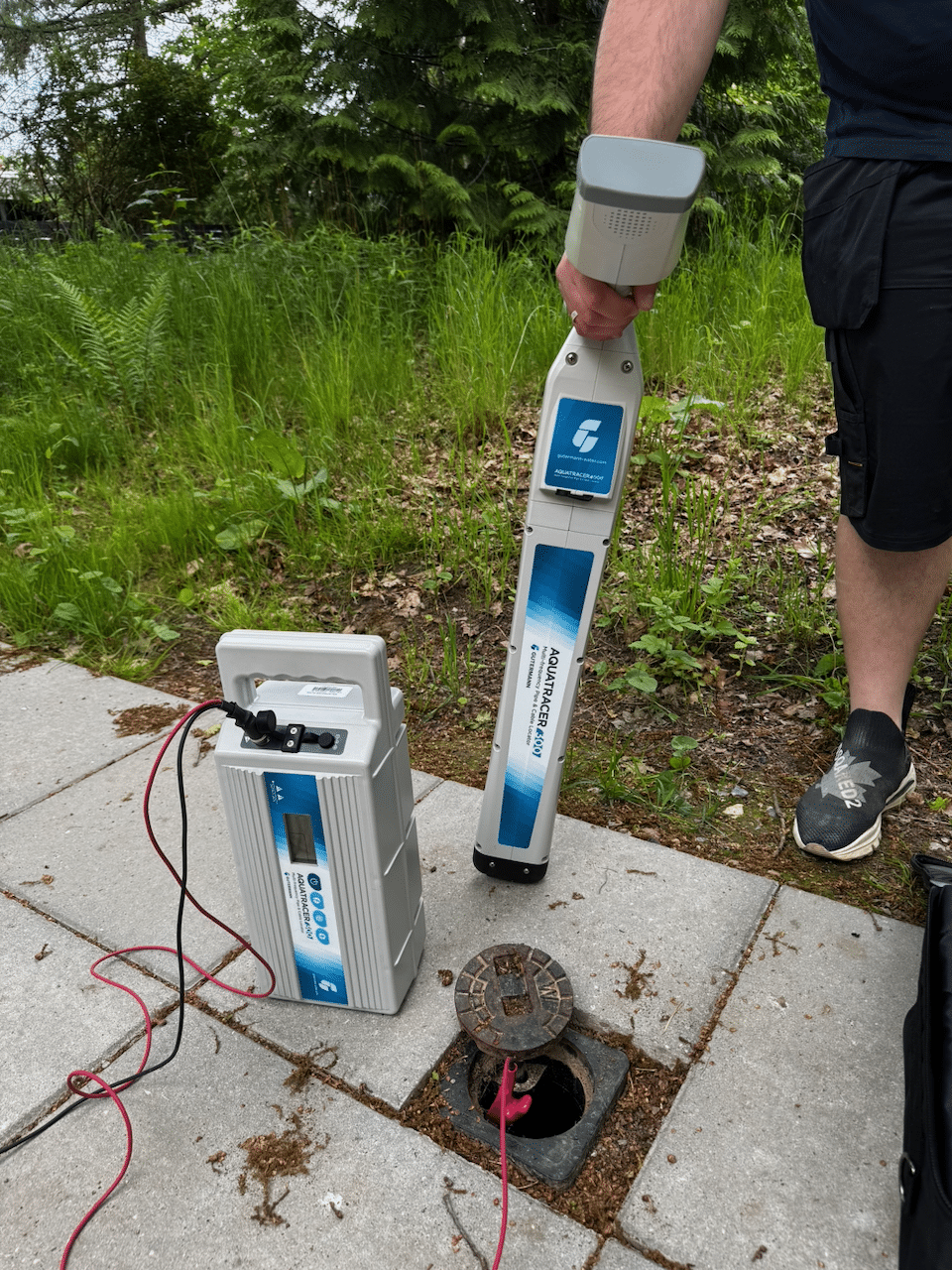
- Acoustic listening for leak noise
- Correlation measurement between two points
- Confirmation and precise localization.
In modern water supplies, the process is often supplemented with data loggers and analysis tools that can indicate leaks earlier.
What is leak detection?
Leak detection is the process of locating hidden leaks in a water supply network before they develop into larger breaks.
In many cases, leaks are not visible on the surface. Water can disappear into the ground for a long time without obvious signs.
Therefore, technical methods are used to:
- identify leak noise
- analyze pressure and flow
- monitor changes in wiring
- locate the position of the leak
The aim is to detect leaks early and reduce water loss.
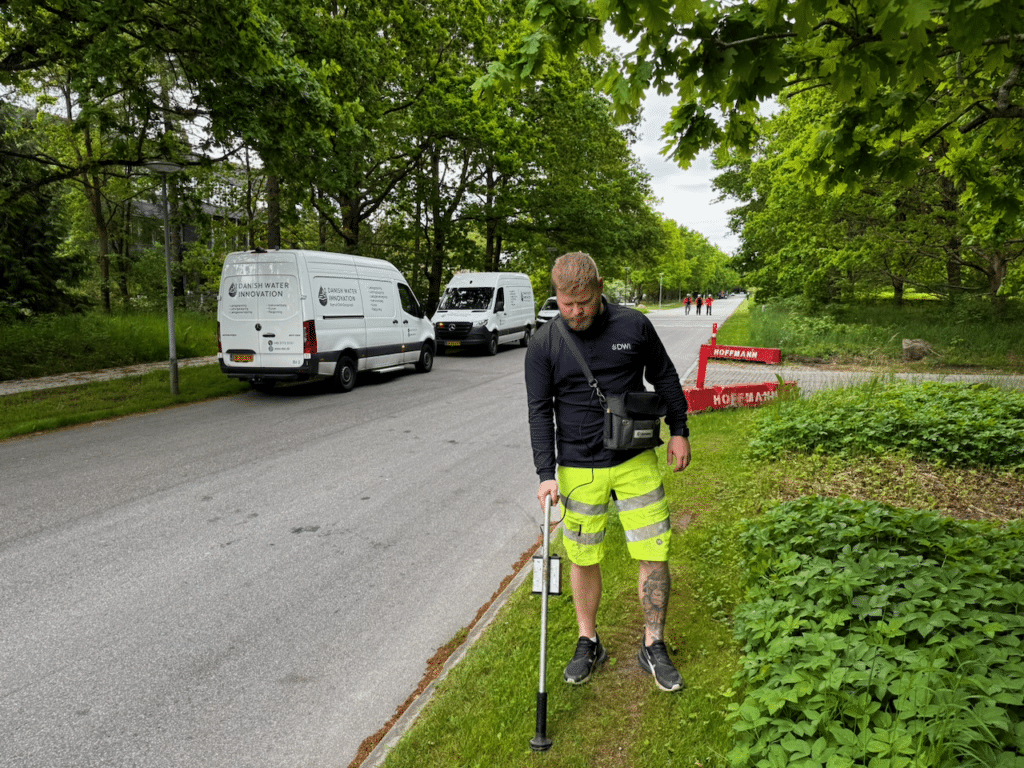
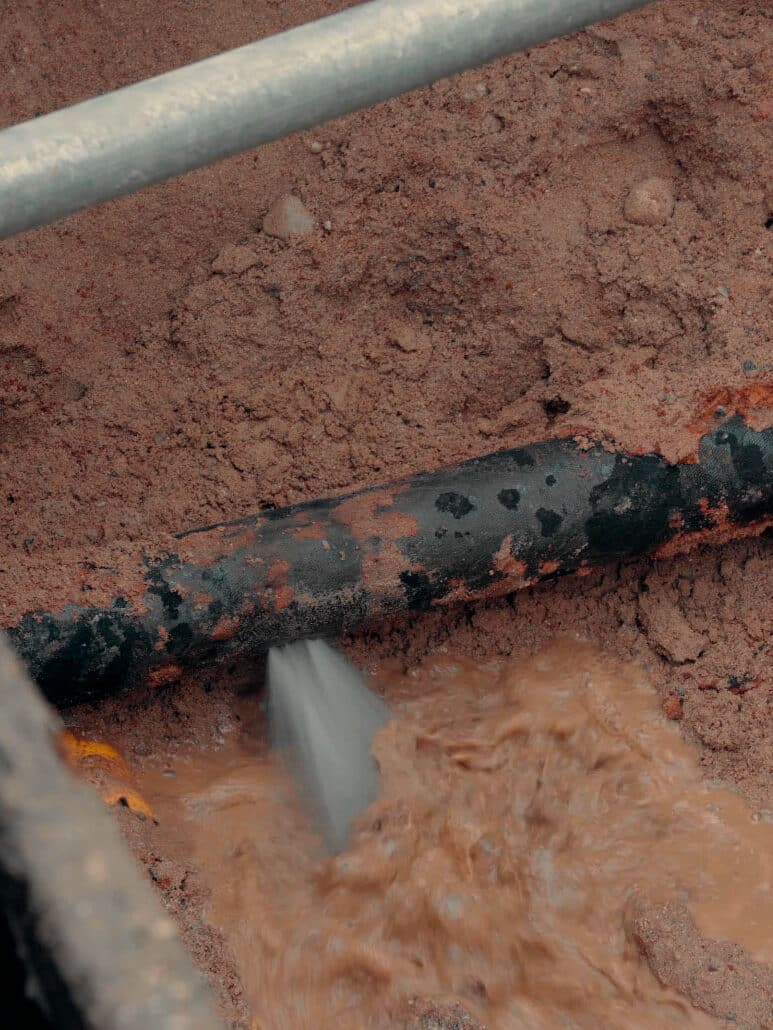
Leak detection is analysis – not reaction
Many people associate leak detection with acute ruptures. In practice, the work is much more systematic.
Effective leak detection is analytical work where operators plan investigations, analyze measurements, and verify suspected leaks.
This includes, among other things:
- plannednetworkreviews
- analysis of night flow
- assessment of acoustic signals
- documentation of results.
When the work is carried out in a structured manner, leaks are detected earlier and more accurately.
Why do leaks occur?
Leaks in water pipes can be caused by many factors:
• older pipe materials
• movements in the ground
• pressure variations in the system
• weakened joints
• load from traffic or construction.
Most leaks start small and develop gradually, which is why ongoing monitoring and planned leak detection are essential.
The main methods for leak detection
Acoustic leak detection
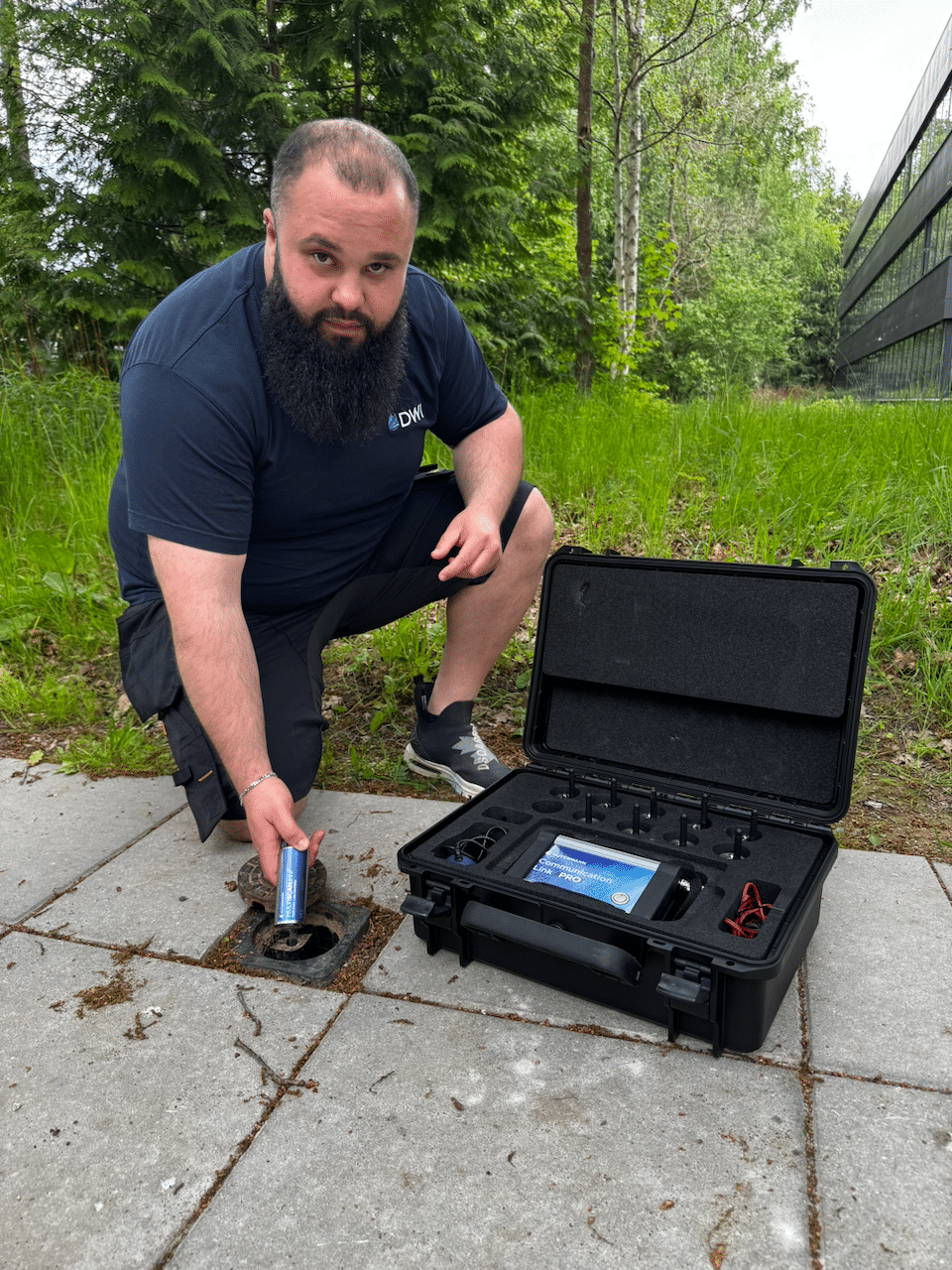
Leaks create vibrations in pipes and soil. With listening equipment, operators can identify leak noise and determine where the signal is strongest.
The method is often used for:
- branch pipes
- distribution lines
- minor leaks.
Correlation measurement
Correlators use sensors at two points on the pipe. By analyzing the difference in signal arrival time, the system can calculate the location of the leak.
The method is precise and often used on longer distances.
Trace gas
For difficult leaks, tracer gas can be used. Gas is introduced into the pipe and seeps out at the leak, where it can be detected above ground.
The method is useful for:
- plastic pipes
- deep-seated pipe
- complex installations.
Data loggers and permanent monitoring
More water supplies are using it today loggers to monitor noise, pressure or flow in the pipe network.
The logs can detect changes in the network and indicate new leaks, often before they become visible.
From leak detection to system understanding
Modern water utilities don't just work to find leaks.
They are working to understand how the entire wiring network behaves.
It requires:
- measurements
- analysis
- experience from the field
When these elements are combined, leak detection becomes much more effective.
Leak detection and reduction of water loss
Leak detection is a central part of the work to reduce NRW (Non-Revenue Water).
By systematically searching for leaks, water supplies can:
- reduce water loss
- prevent breakage
- improve operational reliability
- prioritize maintenance.
Many European water supplies are currently working towards levels below 15 % North Rhine-Westphalia.
A typical leak detection process
Professional work on leaks often follows a structured process:
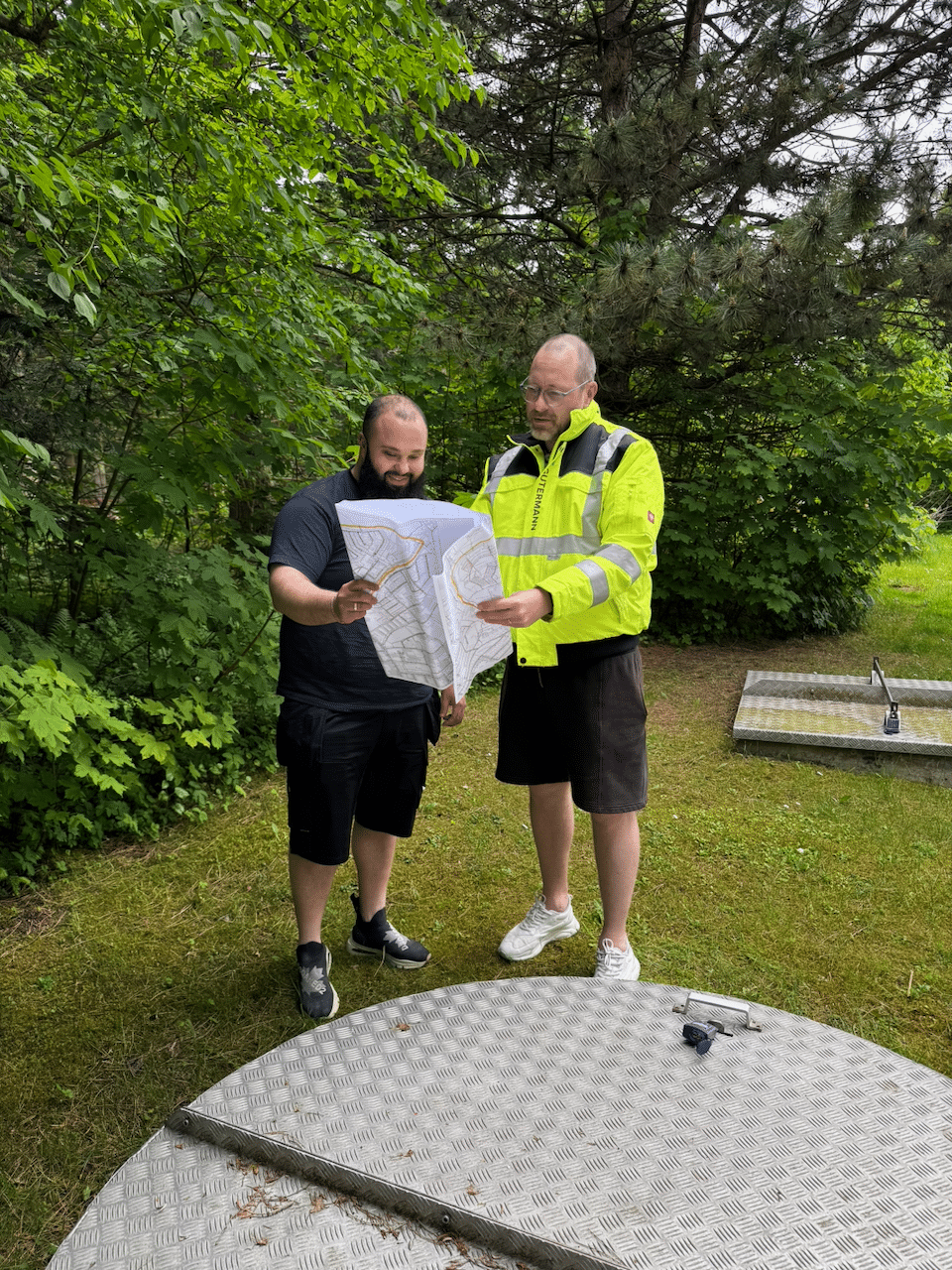
Mapping of wiring networks
↓
Analysis of data and night consumption
↓
Planned leak survey
↓
Acoustic analysis
↓
Leak confirmation
↓
Repair and follow-up
When the process is repeated continuously, water loss is reduced over time.
Field experience is essential
Leak detection cannot only be performed from a desktop.
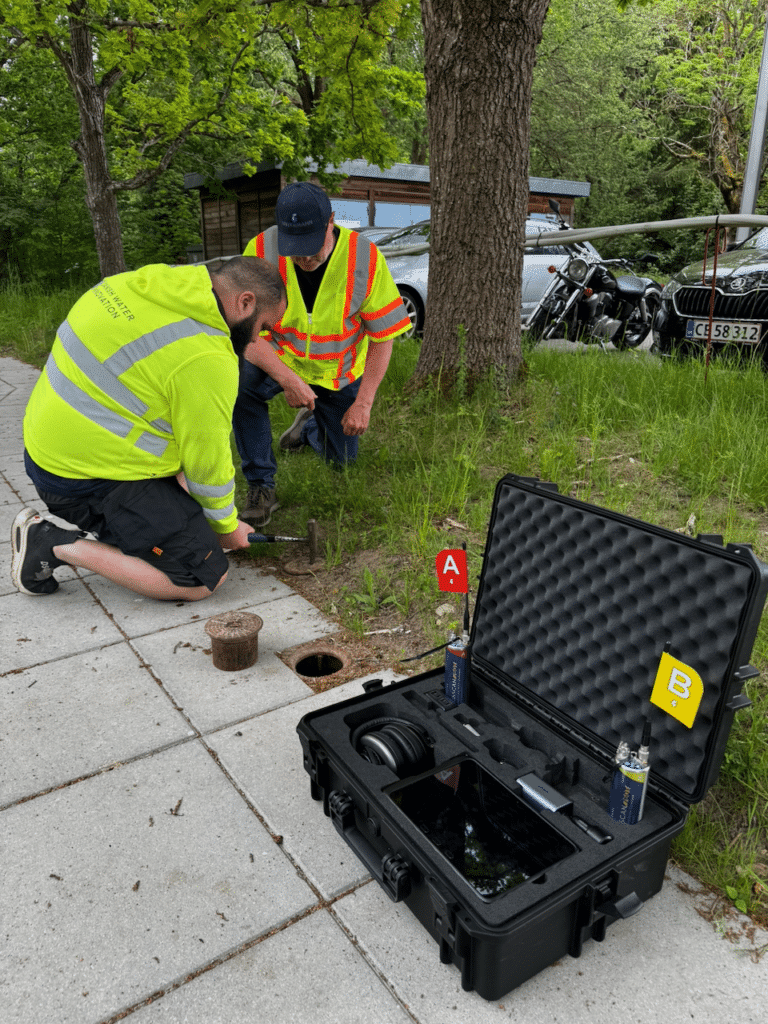
Traffic noise, soil conditions, material types and installations affect the measurements. Therefore, technology is always combined with practical experience in the power grid.
This is also why many organizations combine:
- equipment
- training
- advice
The future of leak detection
Developments in leak detection are moving rapidly.
Today, many water utilities work with:
- IoT sensors
- data loggers
- automated monitoring
- machine learning and analysis.
This means that leaks are increasingly being detected earlier and more accurately.
Leak detection as part of a larger system
Effective reduction of water loss requires several elements working together:
- installations that work
- access to valves and stopcocks
- correct registration in GIS
- measurements in the network
- analysis of data
- practical leak detection.
When the entire chain works, work becomes much more efficient.
Contact DWI
Contact us for competent advice, leak detection and pipe location for your waterworks or water supply. We also assist commercial customers and private households with professional solutions.
