
Leak detection in Næstved
The market town and the villages are hanging on the same web
Næstved Municipality covers a large area, and the supply has been built up over a long period of time: a market town in the middle and a number of villages that have been connected over time. The result is a network with very different pipe types and ages, connected by sections that run through open countryside.
We don't go through a network of that size all at once. We divide it up and calculate the water loss for a defined section at a time, so that the effort can be placed where the numbers indicate.
We divide the network before we measure
A zone is a section of the network that we can delimit with the valves that are already there. We will review the map material with you and find the sections where we can isolate a zone without anyone losing water, and where we can measure the inlet.
A zone is useful for measuring when the water enters at one place and when the number of connections is known. If there are two inlets, one must be able to be closed briefly at night. If we cannot close it, we place the cut somewhere else, even if this means that the zone becomes larger than the ideal one.
We then measure the nighttime consumption in the zone. At night, the actual consumption is lowest, and what is still running is closer to being a loss than to being a drawdown. We compare the number against the zone's pipe length and number of connections, and then we can compare the zones with each other instead of assessing them individually.
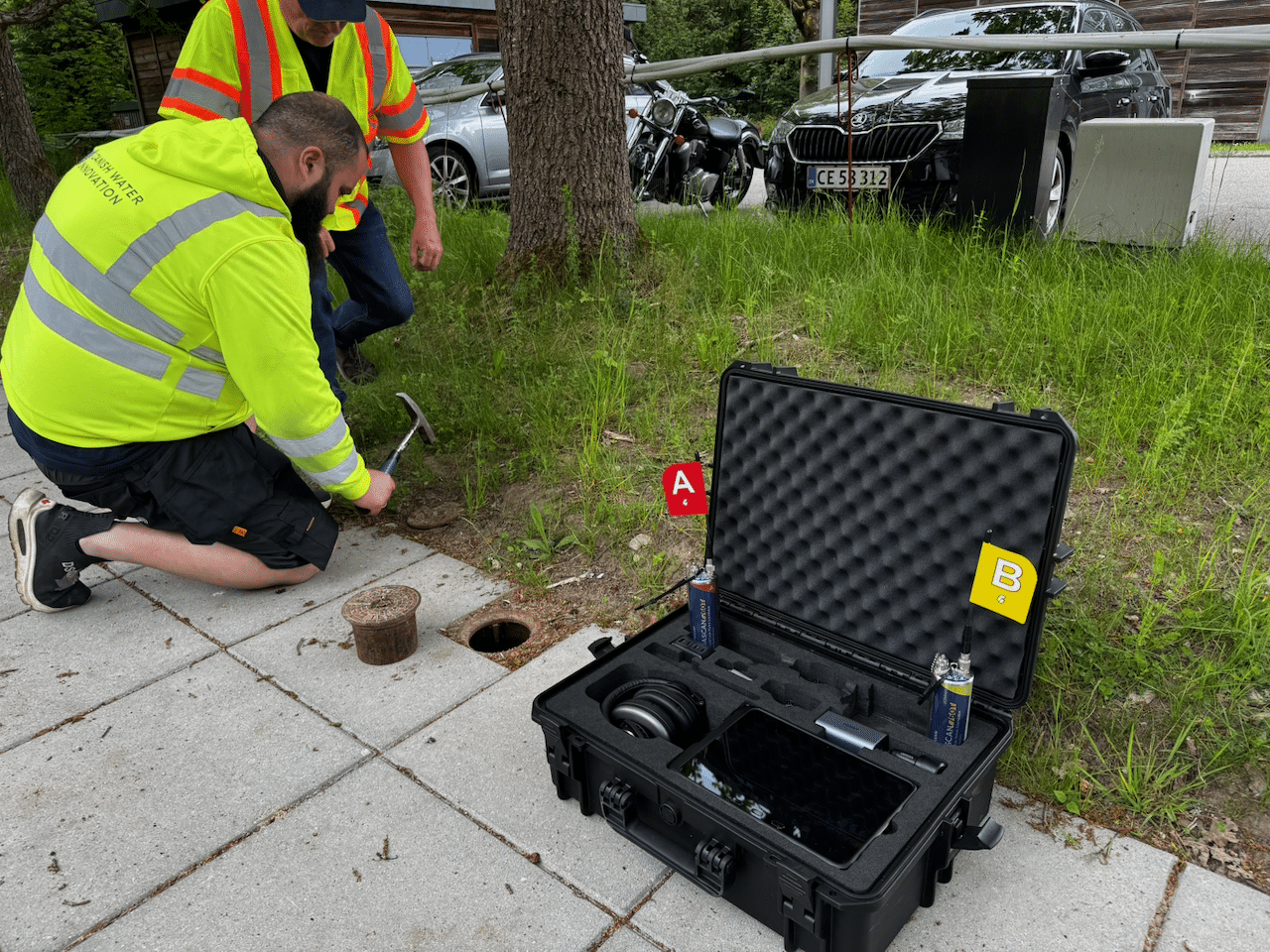
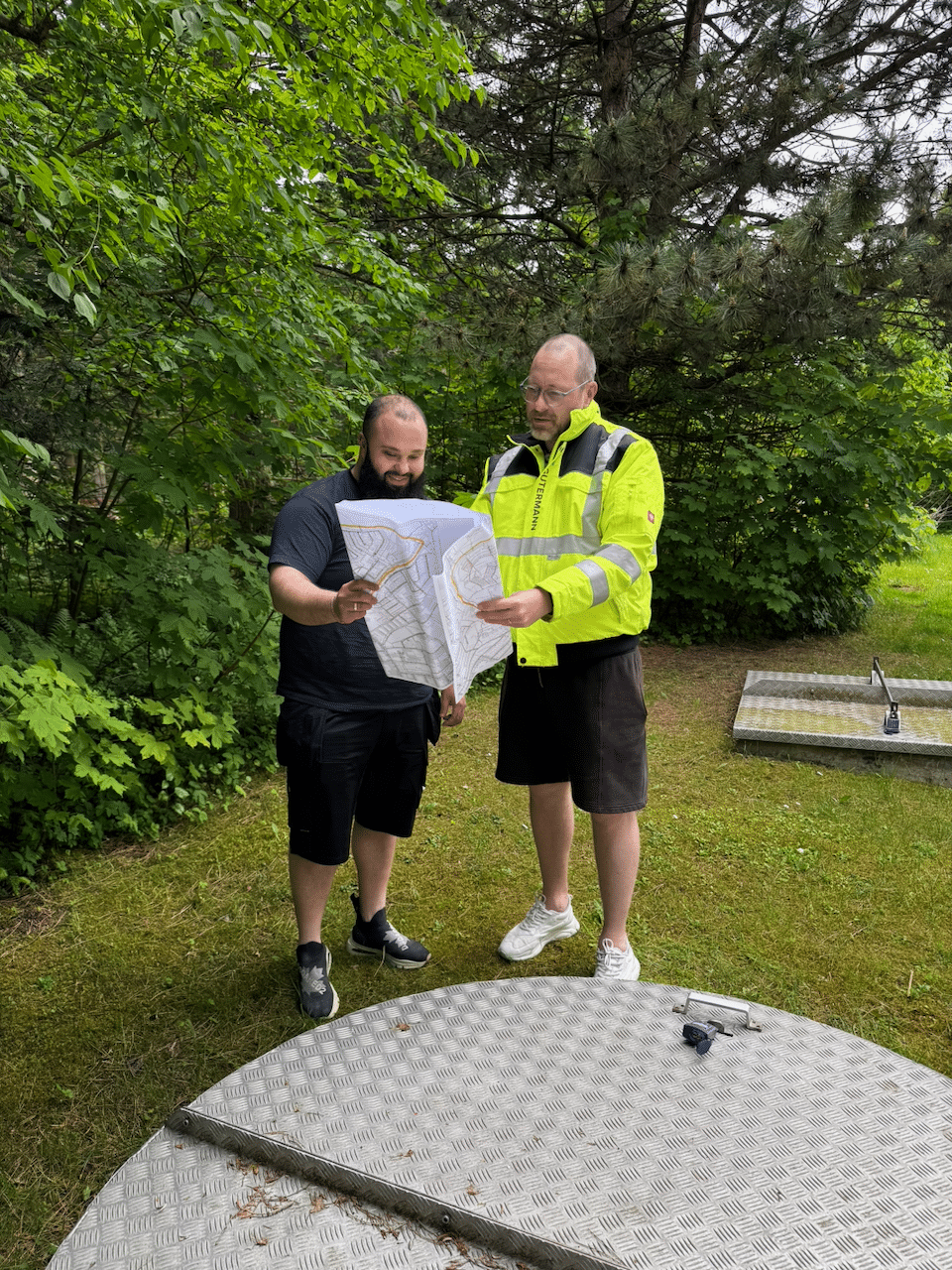
Leak detection in Næstved zone by zone
Once we have selected a zone, we work inwards. First, we screen it acoustically from wells and valves, and the screening shows which sections have an elevated sound level.
We go closer to them. If the leak is under a covering that breaks the sound, we use tracer gas instead. We mark the point, and your contractor takes over from there — DWI A / S does not dig or repair itself.
Which zone do we take first?
The priority does not follow the order on the map. The zone with the highest nighttime consumption per kilometer of pipe usually comes first because that is where the greatest loss is most likely to occur.
But the number doesn't stand alone. A zone with low pressure at the ends can move up the queue, as can a section under a busy road where a repair would be expensive and disruptive. We present the numbers and advise on the order. The decision is yours.
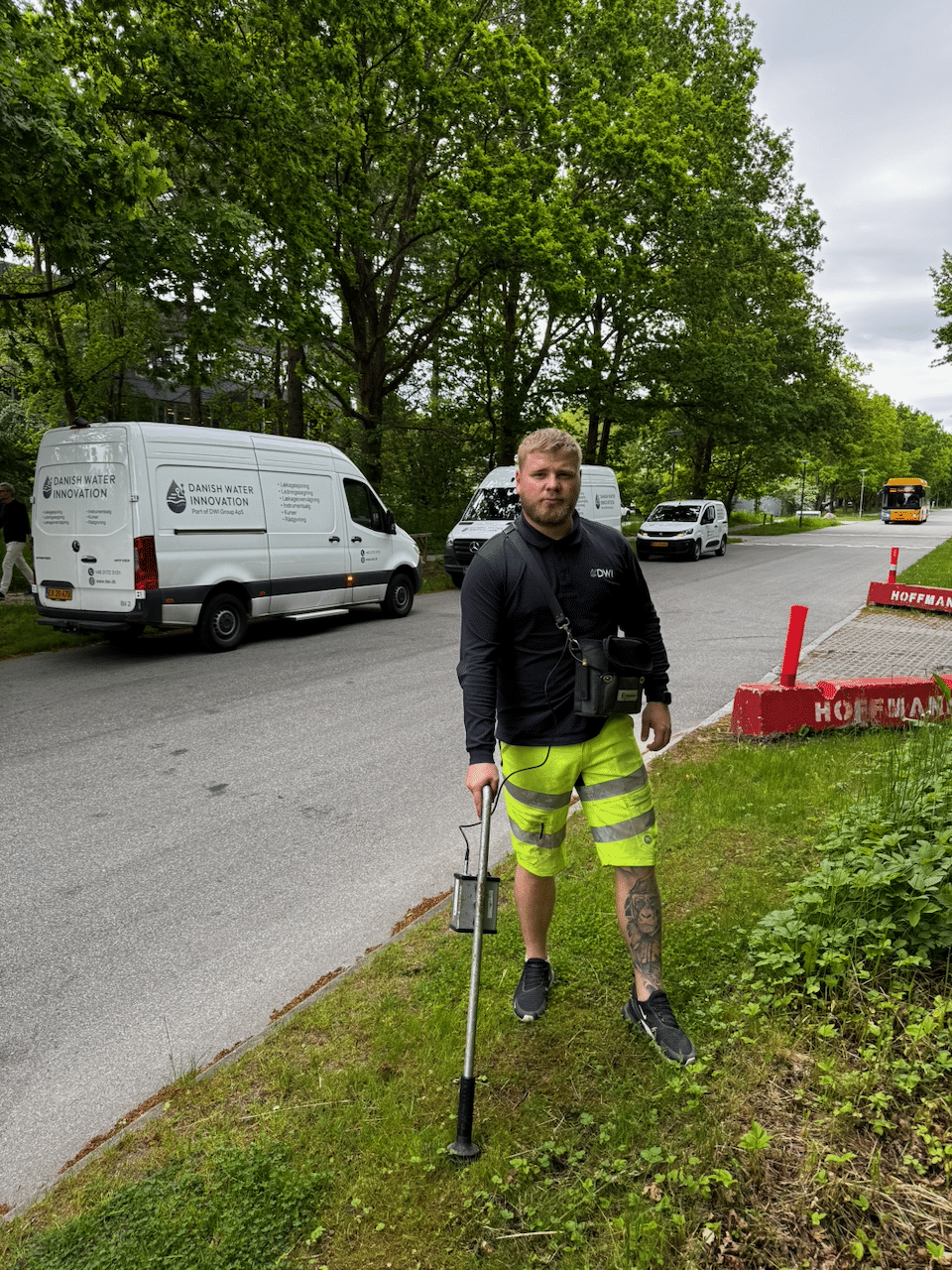
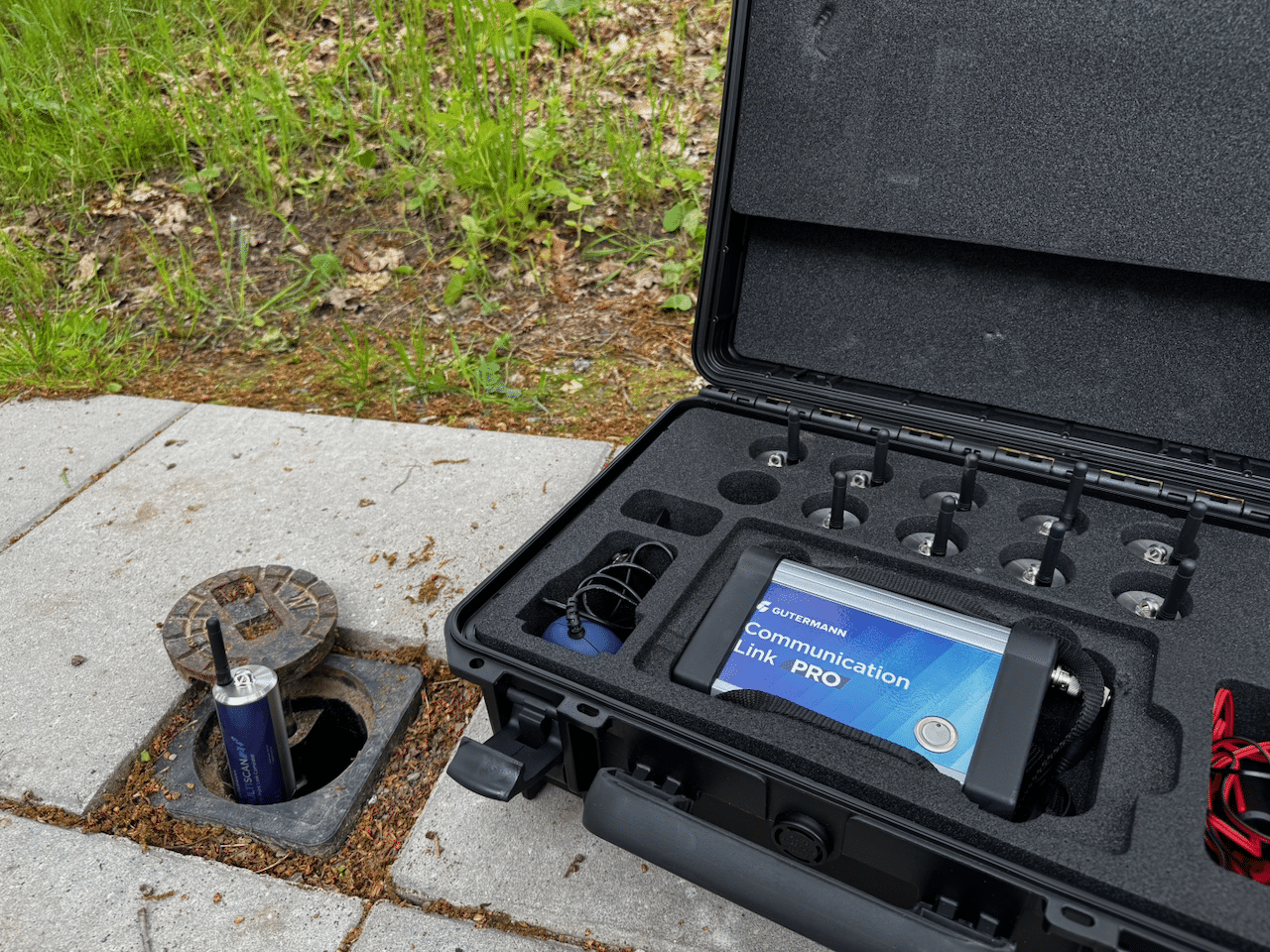
Leak detection in Næstved and the surrounding villages
Village networks have their own characteristics: longer distances between consumers and fewer measurement points to work from. We measure them with the same method, but with more meters between each point and more often with correlation as the main tool.
A village zone can also be so small that a single leaky plug shifts the entire number. This makes it quick to go through, which is why we often take a couple of them with us when we are at that end of the municipality anyway.
The zone can be followed all year round
A zone measurement is a snapshot. If we set data loggers in the zone, they listen around the clock, and HydrantAI collects the measurements and automatically alerts when the pattern changes. A new breach then shows up as a shift in the numbers, long before anyone calls about low pressure.
The loggers have another use in a network of this size: they make it possible to follow a zone after it has been inspected. If the level has dropped after the repair and remains the same, the zone is finished for now, and the next inspection can be moved to another part of the municipality.
Part of the work can be taken over by the utility's own people. With search equipment for sale or lease and a basic course At DWI Leak Academy, an operator can screen a zone between scheduled inspections, and then prioritize based on numbers that are a few weeks old instead of a year old. We move out to the zone that the screening points to.
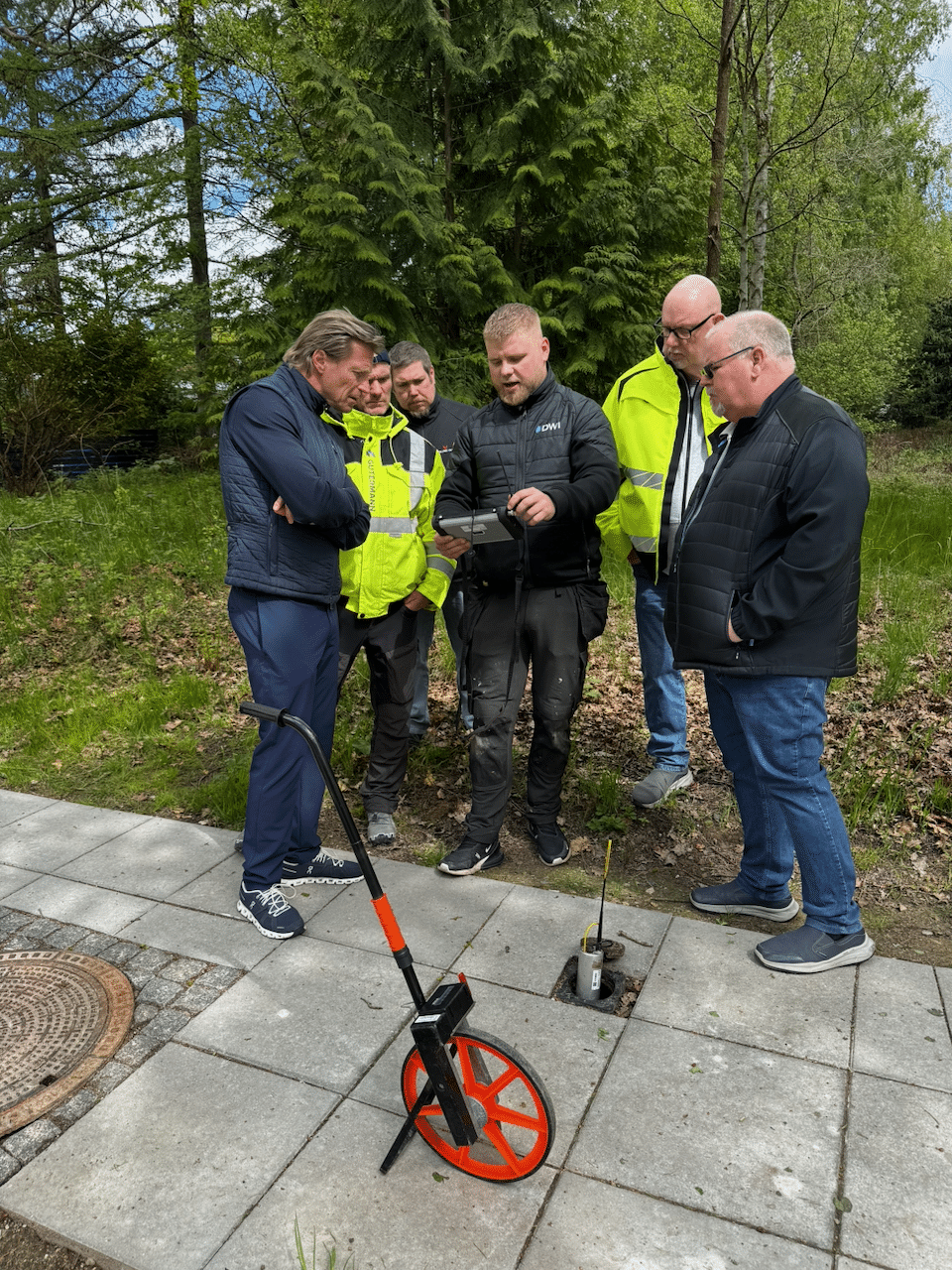
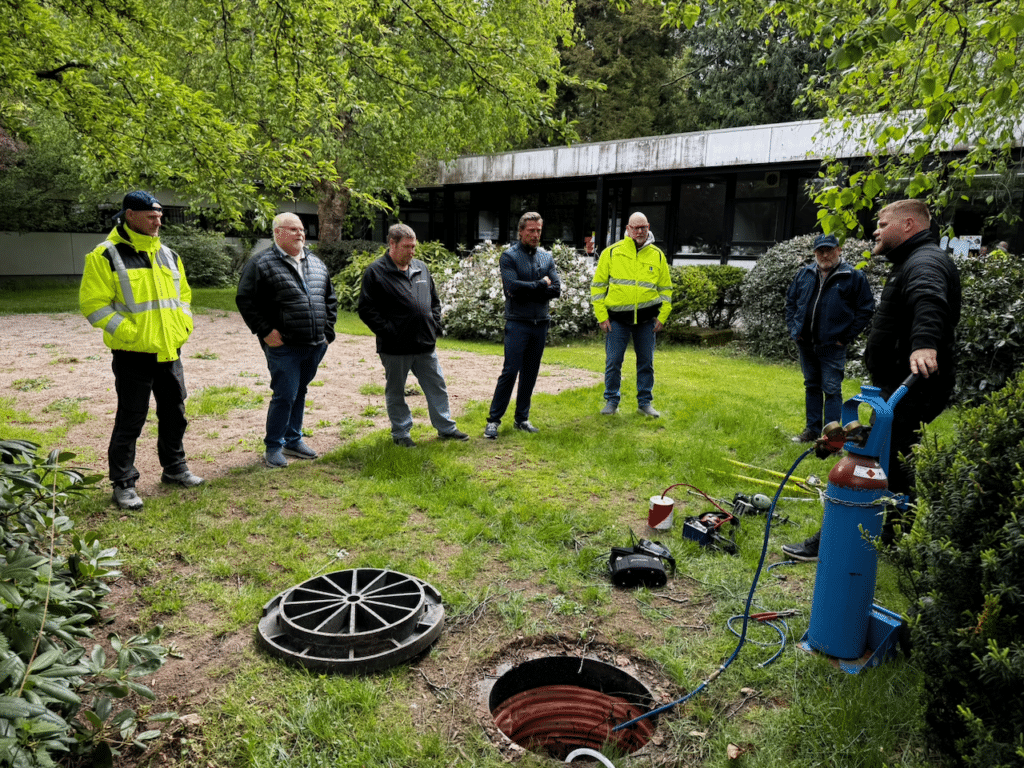
Numbers you can compare year by year
The value of the zoning will only come when we repeat the measurement. If we measure next year with the same demarcation and the same points, you can put the two results next to each other and see if the total water loss actually decreases.
This is the kind of basis that an NRW assessment needs, and that a board or committee can follow over several years. If drawings are missing on a section of the route, we first conduct a line search for pipelines and branch lines, so that we can delimit the zone correctly from the beginning.
We use the valves that already exist and place the cuts where a zone can be isolated without interrupting the supply. We agree this with your operations staff, who know which valves work.
Usually the one with the highest night consumption per kilometer of pipe. We measure the inlet in each zone first and then recommend a sequence. Pressure and critical consumers can shift the priority.
The zone measurement gives a number after we have measured for a few nights in a row. The actual search for the leak then takes from a single day to several, depending on the length of the zone and how many losses are found.
Yes, if we keep the demarcation and measurement points the same. We describe the zone and the points precisely so that the measurement can be repeated and the development can be read over several years.
For the zone measurement, we isolate the zone briefly, and we plan this together so that no consumers notice it. The search itself afterwards does not require any changes in the pressure.
Contact DWI
Contact us for competent advice, leak detection and pipe location for your waterworks or water supply. We also assist commercial customers and private households with professional solutions.
