
Leak detection in West Zealand
The earth rises when it freezes and then settles again.
Frost penetrates the soil and expands the water in the pores, increasing the volume of the soil and lifting what is inside. When the frost breaks, the soil settles again — rarely evenly, because clayey and sandy layers do not move equally. The movement affects the joints and transitions between two materials.
Therefore, the weak points that winter has worked on often only become noticeable in early spring. The pipe may have been leaking throughout the entire frost period, while the ground was closed and the water could not come up.
Leak detection in West Zealand in early spring
A review in March or April hits the network when the winter load has settled, but before field irrigation and garden consumption make night consumption uneasy. The measurements will be cleaner, and the findings that come are from the winter that has just passed. Autumn is the next best time: there is also calm on consumption, and the weak points can be repaired before the frost starts working on them again. We review some networks at both ends of the year and use the difference between the two measurements.
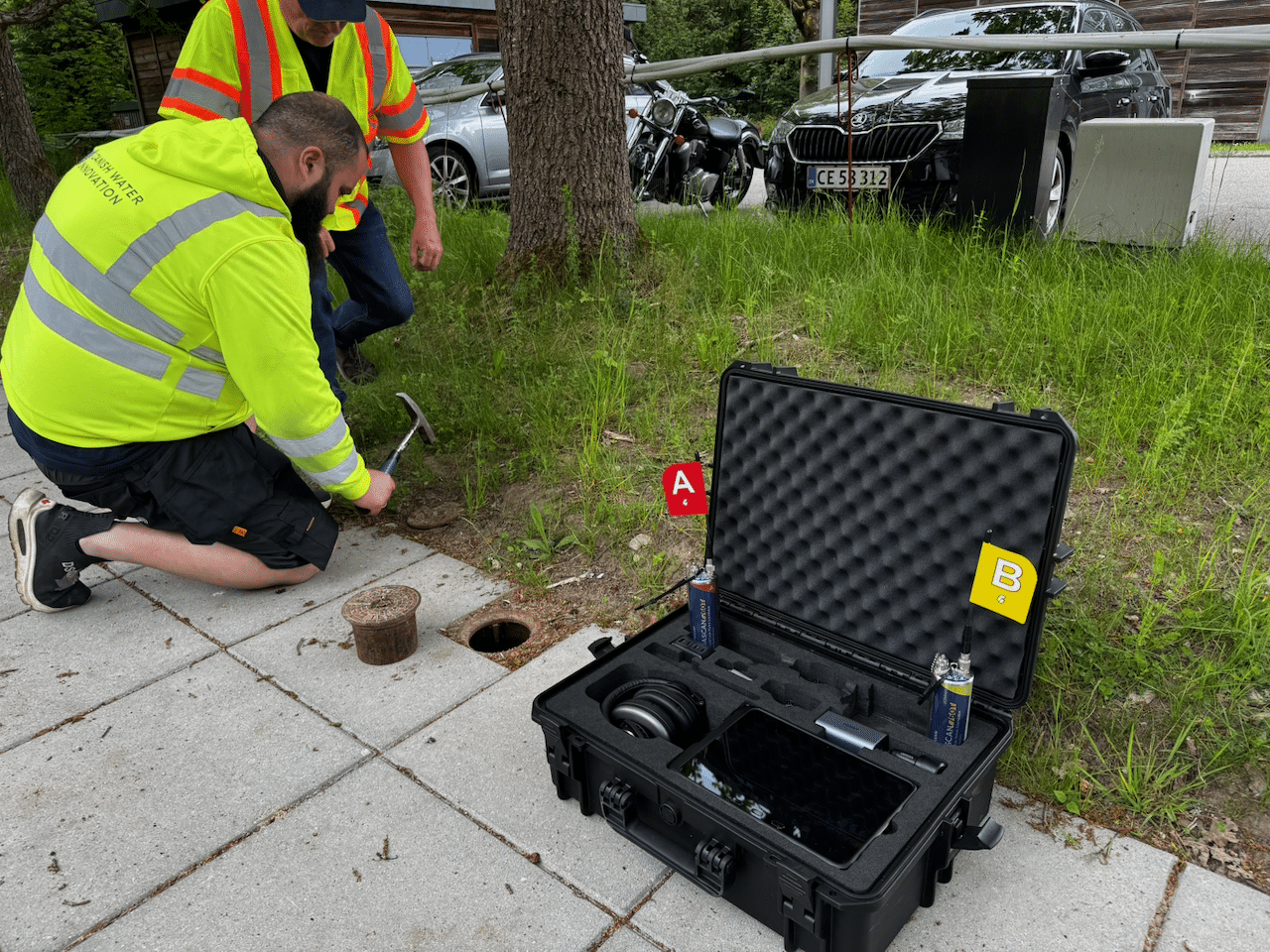
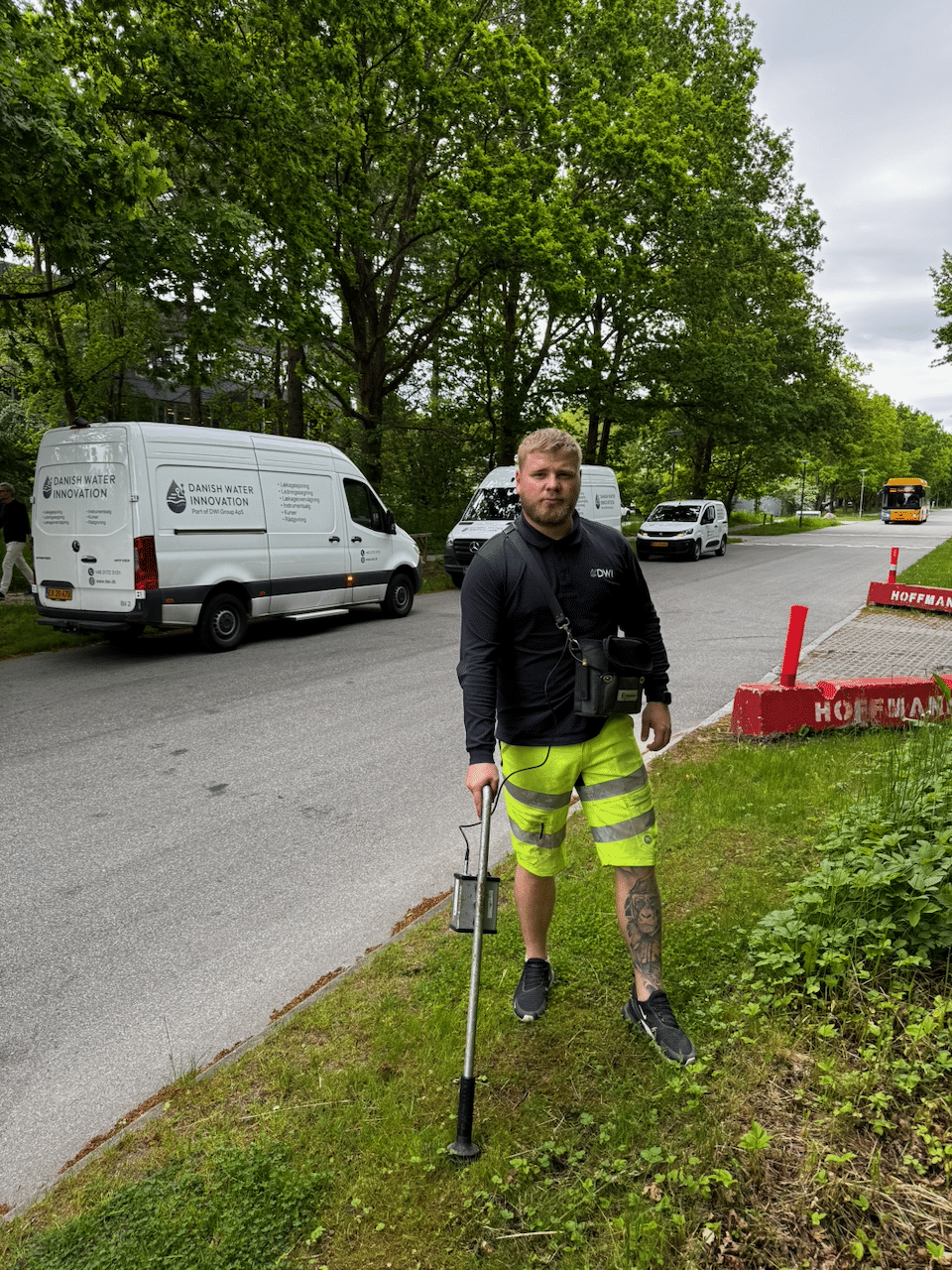
We go through the network from wells and valves in sections. The ground microphone finds the points where the sound level is higher than the neighboring measurements, and the level is written down at each measurement point so that it can be maintained for the next review.
The result is positions indicating how safe they are, marked on site and written down. The repair is carried out by your plumbers or contractor — we don't dig ourselves, but we are happy to talk to them directly while they are at the point.
Flow data during the night hours before a rupture
A break rarely appears in the figures without warning. Minimum night consumption creeps upwards over weeks, while daytime consumption looks normal because a growing rush drowns in the normal drawdown. If you follow the curve for minimum night consumption zone by zone, you can see which part of the network is moving long before anything shows up on the ground.
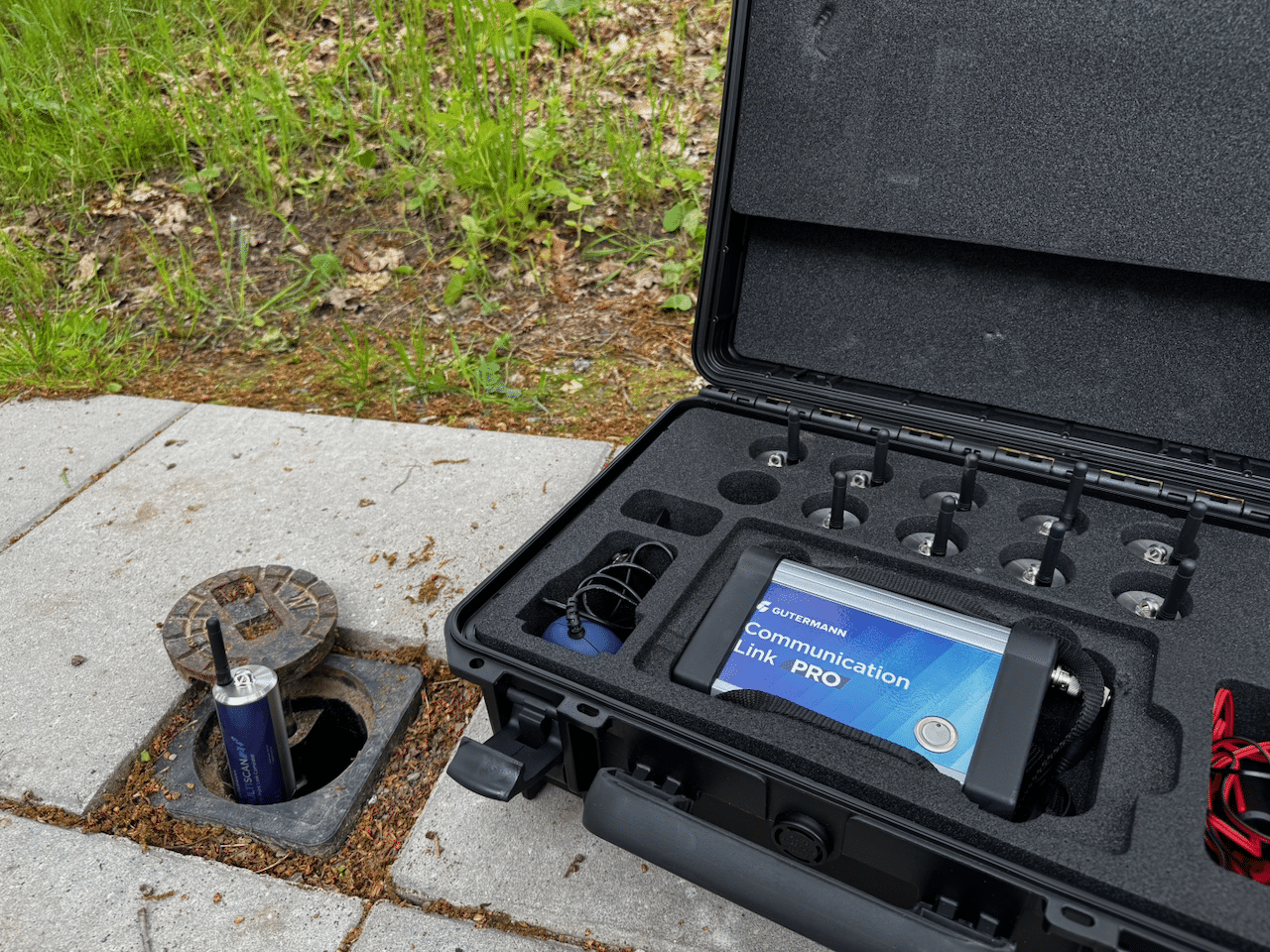
Loggers in the network measures around the clock, and HydrantAI collects the measurements and automatically alerts you of deviations. On a network where frost and thaw stress the collections every winter, it is especially useful in February and March, when new reeds can develop quickly.
The numbers indicate a zone and an order of magnitude. The position still requires a visit, but the visit will be short when the zone is given in advance.
Long stretches in the open country
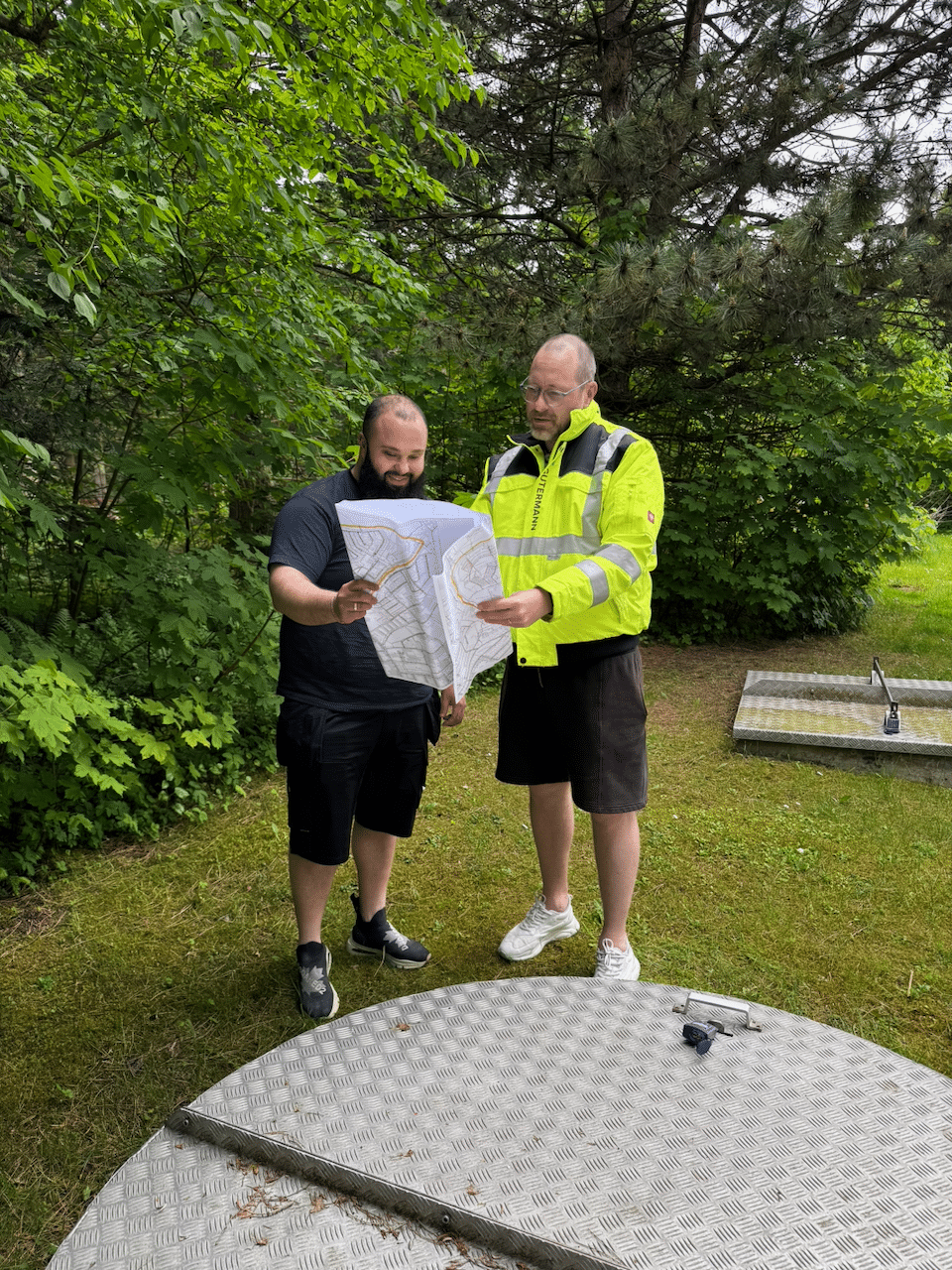
Outside the cities, the branch lines are far from the main line and cross fields and windbreaks, where there is nothing to see on the surface. Frost works differently there than under a solid surface, because the ground is soft and moves more. The transition from the main line to the branch line is the place where we see failures most often. On the other hand, you can't measure it if no one knows where it is, and a branch line that has been moved in connection with field work is rarely shown correctly on the drawing. That is why we often start by searching for the line and showing the course before the winter damage is found.
The access is also different. There are few wells and far between the fittings, so a sound measurement rarely covers the entire route. On those stretches, we use trace gas early on because the method works without a listening point at both ends. The point is marked on the terrain, and the property owner is told where to dig.
Leak detection in West Zealand as a regular annual review
A review that is fixed in the calendar provides something that a single call cannot: comparable measurements. When we return to the same measurement points a year later, the sound level can be compared to last year's figures, and a section that has deteriorated will be highlighted before it breaks.
It also changes how water loss is handled. The year ends with a named list of the sections that should be included in the next construction budget, and with the reason written next to each one. The agreement can be tied to your own annual cycle, so the review is in the same week every year and submitted in the same form from the same measurement points.
The spring check can also be with your own people, once they have learned to read a sound image. A basic course At DWI Leak Academy, we give them the training, and we take care of the sales and leasing of the search equipment that will be in the car. Then they can make the rounds after the frost period themselves and call us when a find is difficult to interpret.
Early spring is the strongest. The winter load has settled, and nighttime consumption is not yet affected by irrigation, so the measurements are easier to compare from section to section.
The ground rises while it is frozen and settles unevenly when it dries. The movement puts stress on joints and transitions, and the points that have been weakened begin to seep as the ground opens up again.
Yes, and that is often what gives the most. The same measurement points and the same method year after year mean that a change in sound level can be read as a development and not as a single measurement.
Minimum night consumption. If it creeps up week by week in a zone, without the consumption pattern otherwise changing, that is the earliest sign the numbers give.
It depends on the size of the network and the access conditions. Call or write and we will assess the task specifically.
Contact DWI
Contact us for competent advice, leak detection and pipe location for your waterworks or water supply. We also assist commercial customers and private households with professional solutions.
